


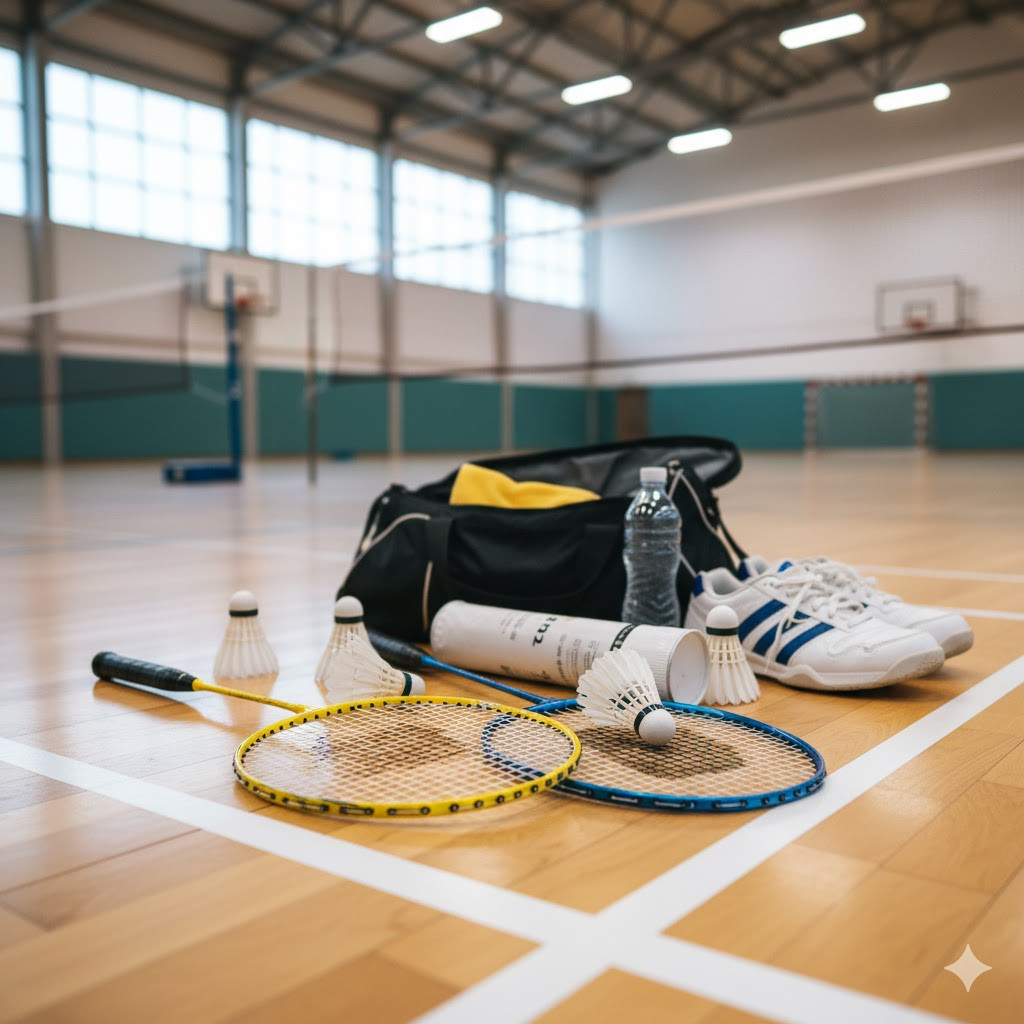
Best Badminton Equipment for Beginners and Advanced Players
Posted on: 29 Oct, 2025
Badminton is a fast-paced sport that requires balance, precision, and well-coordinated movement. Whether you’re just starting out or have been playing for years, choosing the right badminton equipment can significantly impact your performance. From rackets to shuttlecocks and footwear, each piece of gear contributes to speed, control, accuracy, and confidence during the game.
This guide will help you understand what equipment you need and how to choose the best options based on your playing level.
1. Badminton Racket
The badminton racket is the most important piece of equipment. Beginners should look for a lightweight racket with balanced weight to make swings easier and reduce strain. Advanced players often prefer rackets with specific weight distribution—either head-heavy for power or head-light for speed and control.
Explore a variety of rackets designed for comfort, speed, and durability by browsing the Badminton equipments Collection.
2. Shuttlecocks
Shuttlecocks come in two main types: feather and synthetic (nylon).
Feather shuttlecocks offer better flight stability and are preferred for competition.
Synthetic shuttlecocks last longer and are excellent for daily practice.
For consistent performance and training, check out Feather & Synthetic Shuttlecocks suited for all play levels.
3. Badminton Shoes
Footwork plays a crucial role in badminton. The right badminton shoes provide:
- Shock absorption
- Excellent grip for quick direction changes
- Breathability for comfort during long matches
Beginners should choose cushioned sole shoes, while advanced players may look for ultra-light shoes with stronger lateral support.
You can find performance-focused options under Badminton Shoes for Stability & Speed.
4. Grips and Strings
The racket grip affects your control, comfort, and overall play experience.
Beginners may choose soft, cushioned grips to prevent slipping, while advanced players may prefer more textured grips for precision.
Similarly, string tension affects power and control:
- Lower tension = more power
- Higher tension = more control
To maintain racket feel and accuracy, explore Badminton Grip & String Accessories.
5. Badminton Kit Bag
A good badminton kit bag helps you carry and protect your gear. Look for one with:
- Multiple compartments
- Durable material
- Comfortable shoulder straps
It keeps your equipment organized and prevents damage during travel and storage.
Browse the Badminton Kit Bags Collection to complete your setup.
Choosing Equipment Based on Skill Level
For Beginners:
- Lightweight racket
- Synthetic shuttlecock
- Comfortable cushioned shoes
- Soft grip
Focus is on learning technique and avoiding injury.
For Advanced Players:
- Power-optimized or speed-optimized racket
- Feather shuttlecock for precision
- High-grip court shoes
- Customized string tension
Focus is on performance, speed, and match play consistency.
Conclusion
The right badminton equipment enhances comfort, improves control, and increases overall performance. Whether you're just starting out or leveling up your competitive play, choosing gear that matches your skill level makes a noticeable difference on the court.
FAQ:
Q1: What type of badminton racket is best for beginners?
A1: Beginners should choose a lightweight racket with an even balance, as it makes swings easier and reduces wrist strain while learning basic techniques.
Q2: Should I use feather or synthetic shuttlecocks for practice?
A2: Synthetic shuttlecocks are better for practice because they are more durable and cost-effective. Feather shuttlecocks are ideal for matches due to their better flight stability.
Q3: Why are badminton shoes important?
A3: Badminton shoes provide proper grip, cushioning, and lateral support, which help prevent ankle injuries and improve footwork during quick movements on the court.
Q4: How often should I replace racket grips?
A4: Replace your racket grip when it starts losing texture, becomes slippery, or feels uncomfortable. Regular players may need to replace grips every 2–4 weeks.
Q5: Does string tension affect my playing performance?
A5: Yes. Lower tension provides more power, while higher tension offers better control. Beginners should start with lower tension and adjust as they improve.
Recent Posts
-
 KX-10008 Table Tennis Table (Club Series) 30 Mar, 2026
 -
-

-


Comments
No comment yet.